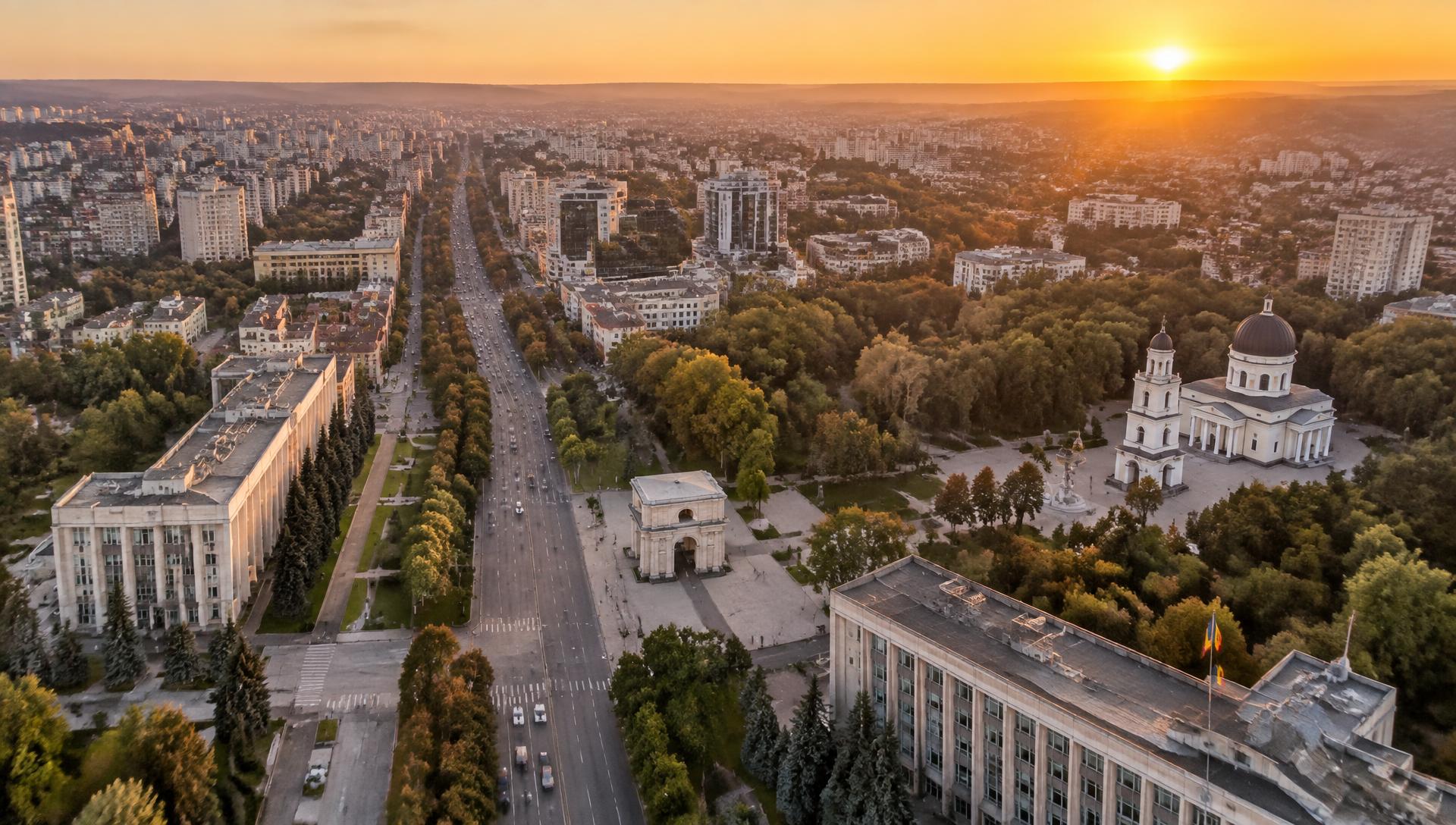
Discover Moldova
A small country with EU access, low costs and very few crowds.
Moldova is an EU candidate on the accession track, trading duty-free into the single market, with wages and land costs that Central Europe left behind a decade ago — and almost none of the competition for sites and staff you find in Poland or Romania.
EU access
Under the DCFTA, goods produced in Moldova enter the EU single market duty-free, with Romania on the other side of the Prut.
Costs
Manufacturing wages sit around €520 a month, with technical and engineering staff well below EU levels and land and build costs lower again.
Labour
Romanian and Russian are working languages, English is common in Chișinău, and the technical schools in Bălți and Chișinău feed the industrial base.
Compact geography
Every site in the country is a day trip from Chișinău, so oversight of a plant does not require a second office.
The Ungheni briefing
The door between the EU, Moldova and Ukraine.
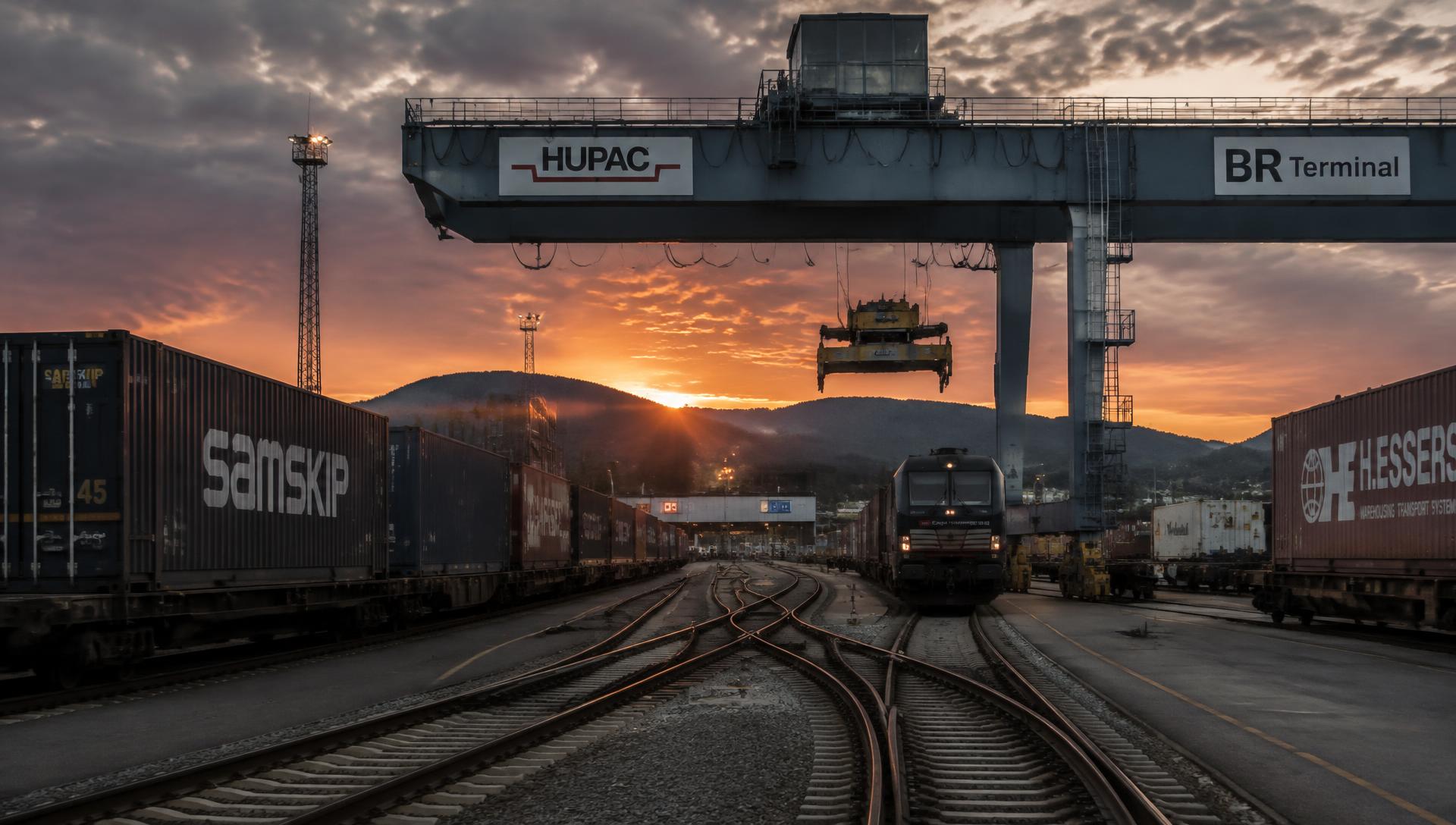
European-gauge rail meets the 1520 mm network running east to Chișinău, Ukraine and Odesa at Ungheni. Iași is 47 km away, Chișinău 106, Odesa 319.
Both rail approaches are being upgraded and funded. Romania approved electrification of the Iași–border line, targeted for completion in 2028, and Moldova is funding the section through Ungheni station and the Prut bridge. A feasibility study is examining extension of European gauge to Chișinău.
The road may matter more. Moldova's first motorway, Ungheni–Chișinău–Odesa, is planned as the eastward continuation of Romania's A8 from Târgu Mureș through Iași. Romania is financing the new Prut bridge, border facilities, the first kilometres of motorway inside Moldova and the Berești logistics terminal — about €56 million.
For warehousing, that creates a natural staging point for reconstruction cargo and regional distribution. Inside the free zone, goods can be stored duty-free, handled, repacked or partly assembled, adding revenue beyond basic warehouse rent.
The Ungheni Free Economic Zone has twelve subzones across six localities, with about five hectares currently available. The government has moved to remove idle land from the zones and open it to industrial parks — new industrial land in a manufacturing district where labour costs are around €520 a month.
The motorway east of Ungheni is still in development, and Ukrainian reconstruction depends on the war. West of Ungheni, the infrastructure is already being built.
Considering manufacturing or investing in Moldova?
Our 3-minute readiness assessment gives you a straight read on entry mode, incentives, staffing and timing — before you get in touch.